
English


Views: 135 Author: Site Editor Publish Time: 2026-07-31 Origin: Site


Designing an engaging recreational space brings exciting creative possibilities to life. Yet, you face a critical transition when turning initial concepts into a verifiable operational reality. You must secure highly compliant equipment to protect your insurance premiums, legal standing, and overall brand survival. Overlooking these strict requirements creates massive organizational risk. It directly exposes operators to severe physical liabilities and devastating legal consequences. Our guide provides a practical, evidence-based framework for evaluating prospective manufacturers and establishing internal protocols. We will explore how proper structural hardware, non-toxic materials, and daily inspection routines work together seamlessly. You will learn exactly how to demand third-party certifications and implement effective staff procedures. By understanding these benchmarks deeply, you can build a resilient, fully compliant facility.
Evaluating indoor playground safety requires assessing both structural hardware (fall zones, entrapment) and material chemistry (fire retardancy, non-toxic plastics).
Regional standards (ASTM F1918 in the US, EN 1176/1177 in Europe) are not suggestions; they are baseline prerequisites for commercial insurance and facility permitting.
True compliance extends beyond the initial purchase—operators must implement daily staff inspection SOPs and routine maintenance schedules to mitigate long-term liability.
Shortlisting equipment vendors requires demanding valid, third-party testing certificates rather than accepting self-reported quality claims.
Documented adherence to safety rules strictly dictates coverage availability for your facility. Commercial underwriters require absolute proof of compliance before issuing any operational policies. They look for strict alignment against regional codes during initial risk assessments. Your custom indoor playground safety standards must pass stringent local government inspections seamlessly. Failing to show valid testing certificates often delays grand opening days indefinitely. It also triggers massive premium hikes from hesitant insurance providers. You must maintain perfect maintenance records to keep long-term insurance costs manageable. Demonstrating compliance proves you run a secure, professionally managed operation.
We must clearly distinguish between unexpected structural failure and preventable operational negligence. Verifiable structural failure usually points back to hidden manufacturing defects. Operational negligence rests entirely on facility managers and daily floor staff. If employees ignore daily checks, legal liability shifts immediately to you. Documented safety routines build a powerful legal shield around your organization. They show safety inspectors you actively prevent hazards before accidents happen. Proper logs separate responsible operators from negligent ones during formal investigations. You protect your entire business entity by maintaining proactive vigilance.
Transparent safety practices influence parent retention and recurring revenue directly. Clean facilities, clear play rules, and visible padding reassure visiting guests immediately. Families notice when managers prioritize strict guidelines and visible maintenance activities. They confidently return to recreational spaces offering complete peace of mind. This foundational trust generates consistent, highly profitable recurring revenue over time. It turns cautious first-time visitors into fiercely loyal brand advocates. Positive word-of-mouth regarding safety often outperforms traditional marketing campaigns significantly. Parents simply refuse to compromise when protecting their young children.
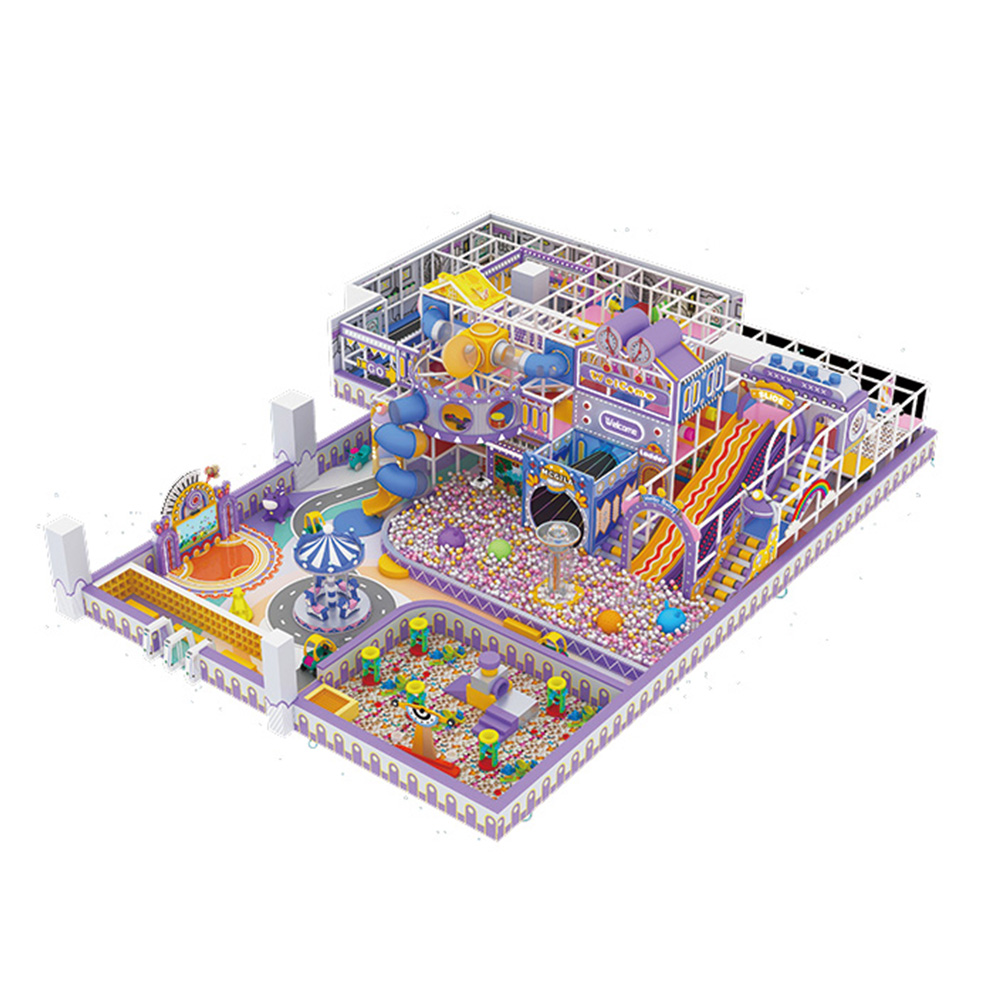
Maximum fall heights heavily dictate your required flooring thickness and material density. You must match shock-absorbing materials carefully to specific elevated drop zones. High platforms demand thicker, specially engineered EVA foam or poured rubber surfaces. These specific materials absorb extreme kinetic energy safely during accidental falls. Assess the complete integration of safety netting across every upper level. You must securely wrap high-density impact padding around all exposed structural beams. Common industry mistakes include leaving steel joints partially exposed near slide exits. Proper attenuation significantly lowers the severity of unavoidable trips and stumbles.
Head, neck, and finger entrapment zones require incredibly strict dimensional evaluation. Standard gaps in barrier netting must consistently prevent small children from getting stuck. Enclosed slide dimensions must accommodate safe, rapid passage without any pinch points. We highly recommend checking every structural junction using industry-standard testing probes. If a simulated torso probe catches, the current gap is extremely dangerous. Ensure all V-shaped angles in the structure remain either fully closed or widely open. Rigorous clearance checks prevent terrifying situations where guests cannot free themselves.
You must actively distinguish between commercial-grade steel framing and weak residential-grade alternatives. High-traffic commercial facilities require heavy galvanized steel pipes of substantial thickness. Avoid lightweight aluminum grids for any primary load-bearing support columns. Identify acceptable joint reinforcement across the entire grid before approving designs. Anti-loosening hardware is mandatory in highly active zones like a massive Indoor Playground. Thread-locking adhesives and nylon-insert lock nuts prevent critical joint separation over time.
Hardware Feature | Commercial-Grade Standards | Residential-Grade Limitations |
|---|---|---|
Steel Pipe Diameter | 48mm diameter, 2.0mm+ thickness | Under 38mm diameter, thin walls |
Fastener Types | Cast iron fittings, nylon lock nuts | Standard plastic connectors, basic screws |
Corrosion Resistance | Hot-dip galvanized coating | Basic spray paint or untreated |
Netting Materials | Knotless nylon, fire-retardant treated | Knotted polyethylene, highly flammable |
Plastics, vinyls, and synthetic leathers must remain completely non-toxic under all conditions. Ensure materials are entirely free from phthalates, lead, and volatile organic compounds. Children constantly touch, rub against, and sometimes chew on soft play surfaces. Prolonged toxic exposure creates severe, unacceptable long-term health risks for guests. Request independent laboratory test results verifying chemical safety across all provided components. A high-quality Indoor Playground consistently utilizes premium food-grade plastics. Safe chemistry guarantees parents never worry about invisible environmental hazards indoors.
Operators must carefully evaluate soft play foams and structural netting for fire resistance. They urgently need to comply with stringent commercial fire codes like NFPA 701. Some local jurisdictions heavily enforce equivalent regional certificates before granting occupancy permits. If cheap materials ignite easily, disaster can spread across a facility in seconds. Professional flame-retardant treatments slow dangerous combustion significantly. They buy precious time for safe, orderly facility evacuation during emergencies. Do not skip this critical validation step during your initial procurement phase.
Assess material surfaces thoroughly for ease of daily cleaning and routine sanitation. High moisture resistance actively prevents hidden mold growth inside structural padding blocks. Anti-bacterial surface treatments help stop rapid operational health hazards from developing. Germs spread rapidly across shared play elements during peak operational weekend hours. You should prefer smooth, high-density PVC vinyl covers over porous fabric covers. They allow busy floor staff to wipe down entire surfaces rapidly. Daily sanitation protocols keep the recreational environment consistently hygienic and welcoming.
Routine physical inspections form the absolute backbone of ongoing facility safety. Structure comprehensive daily checklists for your dedicated morning opening crew. They must carefully hunt for zip-tie wear and sudden netting tears. Exposed metal requires immediate operational quarantine of that specific play zone. Check for dangerous flooring separation near exceptionally heavy foot traffic areas. Create a numbered list for staff to follow faithfully every morning:
Inspect all main slide exit zones for padding integrity and firm positioning.
Test safety netting tension aggressively along all elevated pedestrian walkways.
Verify all visible anti-loosening bolts remain completely secure and tight.
Examine foam pits and interlocking floor mats for hazardous separation gaps.
Check any interactive electronic elements for frayed wiring or loose casing.
Establish clear, actionable protocols for monitoring exceptionally high-risk facility zones. High-energy attractions require dedicated, highly attentive floor monitors stationed permanently nearby. Enforce established age and weight segmentation rules firmly across all zones. Keep toddlers safely separated from older, much more active children. This vital segmentation protects younger guests without compromising older children's customer experience. Train employees heavily to handle sudden crowd surges calmly and professionally. Active capacity management actively prevents dangerous mid-air collisions on steep slides.
Logging minor physical injuries helps demonstrate incredibly proactive facility management practices. Keep detailed, highly organized maintenance repair logs in a central office location. These vital documents become invaluable during an unexpected municipal safety audit. They clearly prove you addressed mechanical wear and tear immediately upon discovery. Write down exactly what happened, when it occurred, and how staff responded. This transparent, rigorous reporting protects your entire business from frivolous legal claims.
Savvy buyers must request recent certificates from respected independent compliance auditors. Look closely for valid verification stamps from TÜV Rheinland or SGS laboratories. These respected labs confirm true compliance against complex ASTM or CE standards. Avoid casually accepting self-reported quality claims from overly eager sales representatives. Independent testing ensures the manufacturer actually follows strict indoor playground safety standards. You must personally verify certificate authenticity directly through the issuing auditor's database.
Assess prospective vendor transparency regarding their complex global supply chains. Ask precisely where their protective foam, vinyl covers, and steel framing originate. Reliable, professional builders eagerly share their raw material sources with potential buyers. Obscure origins often hide substandard, highly prone-to-failure structural components. High-quality foundational materials resist heavy physical wear much longer. Knowing the exact source gives you absolute confidence in the final installed product.
Differentiate sharply between basic standard warranties and actionable service level agreements. Standard warranties often exclude normal operational wear and tear entirely. You absolutely need reliable, fast access to critical replacement parts. Ask suppliers exactly how fast they ship replacement netting or custom padding. Fast post-installation support keeps your facility operational and highly profitable. Delays in receiving crucial replacement components force you to close attractions.
Watch closely for severe warning signs during the initial quoting phase. Dismissing local compliance laws represents a massive, unacceptable supplier red flag. Offering totally untraceable padding materials should stop the purchasing deal immediately. Lacking comprehensive standard installation manuals strongly indicates sloppy overall manufacturing processes. Trustworthy manufacturing partners gladly provide exhaustive documentation before you sign contracts. Protect your investment by walking away from evasive, uncooperative equipment builders.
Investing heavily in verified structural safety guidelines fundamentally acts as a robust business protection strategy. Strict operational compliance ensures your commercial facility remains open, profitable, and legally secure. We strongly encourage buyers to prioritize total transparency over the absolute lowest initial bid. Independent certification validation matters far more than securing minor upfront financial savings. Premium quality materials and robust hardware actively prevent costly, reputation-destroying future accidents.
Audit your current vendor shortlist ruthlessly against these exact structural and material benchmarks.
Request physical copies of third-party testing certificates before signing any purchase contracts.
Implement daily staff inspection checklists uniquely tailored to your specific facility layout.
Establish clear age segmentation rules to protect all guests from accidental collisions.
A: ASTM F1918 is the primary regulatory standard utilized across the United States. EN 1176 and EN 1177 are the baseline safety frameworks for Europe. They share similar safety goals but differ slightly in their specific testing methods. ASTM focuses heavily on specific dimensional entrapment probes and exact fall heights. EN standards emphasize structural integrity testing and specific head injury criteria formatting.
A: You should schedule a comprehensive professional safety audit annually. Certified independent inspectors check for hidden structural fatigue, loose floor anchors, and internal material degradation. This extensive annual review supplements your mandatory daily and weekly internal staff inspections perfectly. Documenting these yearly audits remains absolutely crucial for liability protection and smooth insurance renewals.
A: Yes. Interactive and electronic elements require completely separate electrical safety certifications. They must comply strictly with regional electrical codes like UL or CE. You must ensure all wiring is fully concealed and inaccessible to children. Low-voltage systems are completely mandatory to prevent dangerous shock hazards in high-traffic active zones.
A: Insurance providers require comprehensive documentation to accurately underwrite liability policies. They need independent third-party testing certificates for all primary play structures. They will also request detailed fire retardancy certificates for installed foams and vinyls. Furthermore, you must submit your complete internal operations manual outlining daily inspection routines and emergency protocols.
A: Commercial-grade safety padding typically lasts between three to five years. The exact functional lifespan depends heavily on facility foot traffic and daily maintenance routines. High-contact areas like primary slide exits and stair edges always degrade much faster. You must inspect vinyl covers daily and replace padding immediately if inner foam becomes exposed.


