
English


Views: 0 Author: Site Editor Publish Time: 2026-10-05 Origin: Site


The indoor family entertainment industry continues to demonstrate explosive market growth. Active recreation centers currently stand at the forefront of this highly profitable trend. Consumers increasingly prioritize experiential entertainment over passive consumption. Consequently, indoor jumping facilities have transitioned from a niche concept to an absolute staple of commercial real estate. Families simply want engaging, high-energy environments where they can unplug and play.
However, the business reality of operating a massive indoor active play space is incredibly complex. Are you prepared for the hidden costs? Entrepreneurs must navigate substantial initial capital requirements, strict safety regulations, and complex facility logistics. Most importantly, there is a critical need for rock-solid, reliable infrastructure. Without a structured engineering and operational approach, liability risks and maintenance costs will quickly overwhelm a new venture.
Thorough preparation is non-negotiable. This comprehensive guide details exactly how to build your business from the ground up. We will analyze everything from drafting a viable business plan to securing the best structural infrastructure. Your investment must be built on a highly secure, profitable foundation.
High Initial Investment Yields High Returns: Starting a facility typically requires a capital investment between $1 million and $3 million. Well-managed parks can achieve a rapid return on investment through diversified revenue streams like private event hosting and specialized fitness classes.
Location Dictates Capacity: Securing the right commercial space is critical. Operators generally need 25,000 to 35,000 square feet of space. You must secure a building with minimum ceiling clearances of 18 to 20 feet.
Safety is Your Business Model: Strict adherence to American Society for Testing and Materials safety standards is mandatory. Securing comprehensive liability insurance forms the bedrock of your long-term viability.
Engineering Quality Matters: Investing in premium, commercial-grade infrastructure minimizes maintenance downtime. Heavy-duty steel and high-tensile springs directly reduce liability risks and ensure high customer retention rates.
To succeed in this sector, you must understand where the market is heading. The Family Entertainment Center sector is undergoing a massive shift toward experiential retail. Commercial real estate data reveals a clear pattern. As traditional anchor stores vacate large shopping malls, property owners aggressively court multi-attraction entertainment centers to drive foot traffic.
Modern consumers demand far more than just standard jump courts. The current industry trend heavily favors gamification. Integrating augmented reality targets and interactive lighting systems is no longer a novelty. It is a baseline expectation. Furthermore, utilizing RFID wristbands that track obstacle course completion times adds a competitive edge. Facilities adopting these tech-forward features report significantly higher customer dwell times compared to legacy, single-activity parks.
Successful operators purposefully expand their target demographic. While young children drive the lucrative birthday party segment, teenagers and adults require different challenges. Advanced features like ninja courses, professional-grade parkour zones, and competitive dodgeball leagues capture this older demographic. By diversifying attractions, you effectively weather seasonal dips in attendance.
A robust business plan begins with a sharp Unique Selling Proposition. You must define exactly what makes your facility stand out in a crowded local market. Will it be a pure jumping space? Or will you build a hybrid adventure park integrating climbing walls, wipeout machines, and dedicated toddler zones? Clearly articulating this concept helps secure commercial funding.
Relying solely on general admission ticket sales is a fundamentally flawed strategy. A sustainable business plan details secondary and tertiary revenue streams. Birthday party packages remain the highest margin revenue driver. This requires dedicated private rooms and highly efficient catering operations. Turning over a party room quickly while maintaining a premium guest experience is exactly where the real profit is generated.
Specialized programming effectively utilizes the courts during off-peak weekday hours. Think toddler-only morning hours or high-intensity aerobic jump classes. Additionally, offering a café with quality food, alongside mandatory branded grip socks, drastically increases the overall spend per visit.
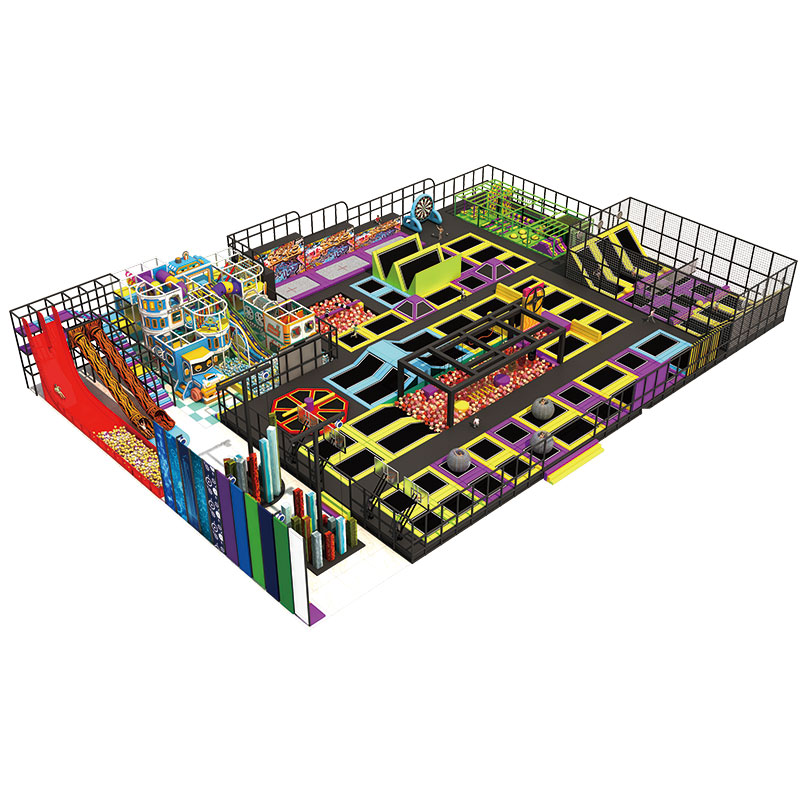
Transparency regarding startup costs separates successful owners from failed ventures. Facility build-out costs typically range from $300,000 to $800,000. Think a standard retail HVAC unit can handle 200 sweating jumpers? Think again. Budgeting for massive hidden infrastructure upgrades is absolutely essential. You must account for heavy-duty ventilation, specialized lighting, and structural floor reinforcements.
Purchasing and professionally installing the jumping courts, pneumatic airbags, and ninja courses will consume a massive portion of your budget. Expect to allocate $400,000 to over $1,000,000 here. Finally, you must keep an operational buffer of at least $200,000. This reserve covers first-year insurance premiums, point-of-sale software licensing, and aggressive marketing campaigns before the business reaches self-sustaining cash flow.
The physical footprint of your building directly dictates your maximum earning potential. A sprawling space seamlessly accommodates main jumping courts, specialized attraction zones, and administrative offices. Crucially, you need ample restroom facilities capable of handling large, sudden crowds.
The most rigid structural requirement is vertical clearance. Safe jumping requires an absolute minimum ceiling height of 18 to 20 feet from the concrete floor to the lowest hanging obstacle. Do not compromise on this metric. HVAC ducts, fire sprinklers, and light fixtures must all sit above this line. Additionally, buildings with clear-span architecture are highly preferred. Internal support columns disrupt court layouts and create dangerous blind spots for your staff.
Selecting an equipment manufacturer is the most consequential decision you will make. This is an engineering project, not just a retail purchase. Stand on the floor of a fully booked park on a Saturday afternoon. The dynamic load on your structural frames is immense. If you source cheap, unverified materials, metal fatigue sets in rapidly. Consequently, investing in premium commercial trampoline park equipment is critical for operational longevity and the physical safety of your guests.
To help you evaluate suppliers, we have compiled a technical comparison. You must demand specific material parameters from your manufacturer.
Component | Sub-Standard Equipment | Premium Commercial Grade |
|---|---|---|
Main Structural Frame | Painted steel tubing, prone to rapid internal rust and bending. | Hot-dip galvanized steel pipes, 80mm x 80mm with a strict 3mm minimum thickness. |
Jumping Mats | Standard nylon, loses tension quickly under heavy adult weight. | Heavy-duty Polypropylene mesh, UV-resistant, with reinforced V-ring stitching. |
Springs | Short, low-tension galvanized springs. Prone to snapping. | Extra-long high-tensile piano wire springs, engineered for maximum dynamic load. |
Safety Padding | Low-density sponge foam wrapped in thin vinyl. Tears easily. | High-density EPE foam core wrapped in highly durable 0.55mm thickness PVC skin. |
Designing your indoor trampoline systems requires meticulous spatial planning. You must optimize foot traffic flow to prevent dangerous bottlenecks. Main jump courts serve as the central hub, featuring interlocking flat and angled wall trampolines. Surrounding this area, integrate specialized zones. Enclosed dodgeball courts, slam dunk basketball lanes, and professional-grade airbags keep energy levels high.
Installation is not a do-it-yourself project. Structural integrity is paramount. Improper tensioning of springs or flawed structural framing leads to catastrophic failures. Your equipment must be installed by professional engineering teams certified by the manufacturer.
The industry is heavily regulated to protect consumers. In the United States, compliance with ASTM F2970 is the absolute benchmark for operational safety. Adhering strictly to these guidelines dictates everything from the density of your padding foam to your daily maintenance checklists.
Standard commercial business insurance will simply not cover an active amusement facility. Operators must secure highly specialized insurance packages. Insurers will rigorously scrutinize your safety protocols, digital waiver systems, and equipment certifications before underwriting a policy. Maintaining a flawless safety record is financially imperative to keep your premiums manageable.
Mitigating risk requires a proactive operational stance. Implementing legally binding digital liability waivers for all participants is your first line of defense. Utilizing digital kiosk systems ensures these records are securely stored and easily searchable. Furthermore, strict park rules must be relentlessly enforced. Policies like one person per trampoline pad and zero tolerance for double bouncing save lives. Establish a documented routine of daily equipment inspections to identify worn springs before they fail.
Operating a large-scale facility requires a high-energy, dedicated team. You need a seasoned general manager, swift front desk staff, and highly engaging party hosts. However, the most vital personnel on your payroll are the court monitors.
In a chaotic, loud environment, your court monitors act as frontline risk managers. Their primary responsibility is actively enforcing safety rules and preventing dangerous behavior. A quick blow of their whistle can prevent a minor collision from escalating into a massive liability claim. Comprehensive training is mandatory. Court monitors must hold First Aid and CPR certifications. They should also be extensively trained in verbal de-escalation to professionally handle guests who refuse to follow safety protocols.
Generating massive anticipation before your doors officially open is vital. Begin marketing at least three months prior to opening day. Utilize high-visibility exterior signage and launch targeted social media teaser campaigns. Offering early-bird discounts helps build a robust email subscriber list. Your goal is to create immense pent-up demand within your local community.
Sustaining foot traffic requires a continuous digital presence. Optimize your local search engine presence to ensure your facility ranks highly when parents search for weekend activities. Moreover, integrating your trampoline playground into the local community guarantees consistent weekday traffic. Establish partnerships with local school districts for fundraising nights and coordinate with summer camps for daytime field trips. These business-to-business relationships provide highly reliable revenue during typically slow operational hours.
Building an indoor jumping facility requires meticulous engineering planning, substantial capital, and an unwavering commitment to operational excellence. When managed correctly, it is a highly rewarding business venture offering excellent profit margins. You have the unique opportunity to make a positive impact on community health and family entertainment.
To ensure your venture succeeds, prioritize risk management and relentlessly focus on infrastructure quality. Cutting corners on your structural build-out will inevitably cost you your business in the long run. If you are ready to take the next step in building a safe, highly profitable entertainment center, do not settle for sub-par materials. Contact Cheers Playground today to consult with our engineering team and secure a detailed quote on premium commercial equipment tailored to your facility.
Total startup costs typically range from $1.2 million to $3 million. This variance depends heavily on the geographic location, the size of the commercial facility, necessary HVAC upgrades, and the complexity of the attractions installed.
Operators generally require a commercial building between 25,000 and 40,000 square feet. Crucially, the building must feature a minimum ceiling clearance of 18 to 20 feet to ensure safe jumping and comply with strict manufacturing standards.
Yes, they are highly profitable when managed efficiently. By utilizing diverse revenue streams like birthday parties, fitness classes, and high-margin food concessions, successful parks can achieve profit margins of 25% to 35% after initial debts are settled.
With aggressive local marketing, a premium location, and diversified revenue streams, well-managed facilities typically see a full return on their initial capital investment within 18 to 36 months of opening.
Maintenance costs vary based on foot traffic and equipment quality. If you invest in high-tensile springs and heavy-duty polypropylene mats initially, your monthly replacement costs will remain low. Budget approximately 3% to 5% of your gross annual revenue specifically for replacing worn safety padding, springs, and grip socks.
Risk management requires multiple layers of engineering and operational protection. You must mandate legally binding digital liability waivers, purchase specialized amusement insurance, strictly adhere to structural safety guidelines, and employ actively trained court monitors to enforce rules.
From drafting the initial business plan to opening day, the process usually takes between 8 to 12 months. This timeline accounts for securing commercial financing, negotiating a lease, custom manufacturing the steel equipment, and completing extensive facility renovations.


